Hey Pal!
Prefer listening instead? Click the audio below.
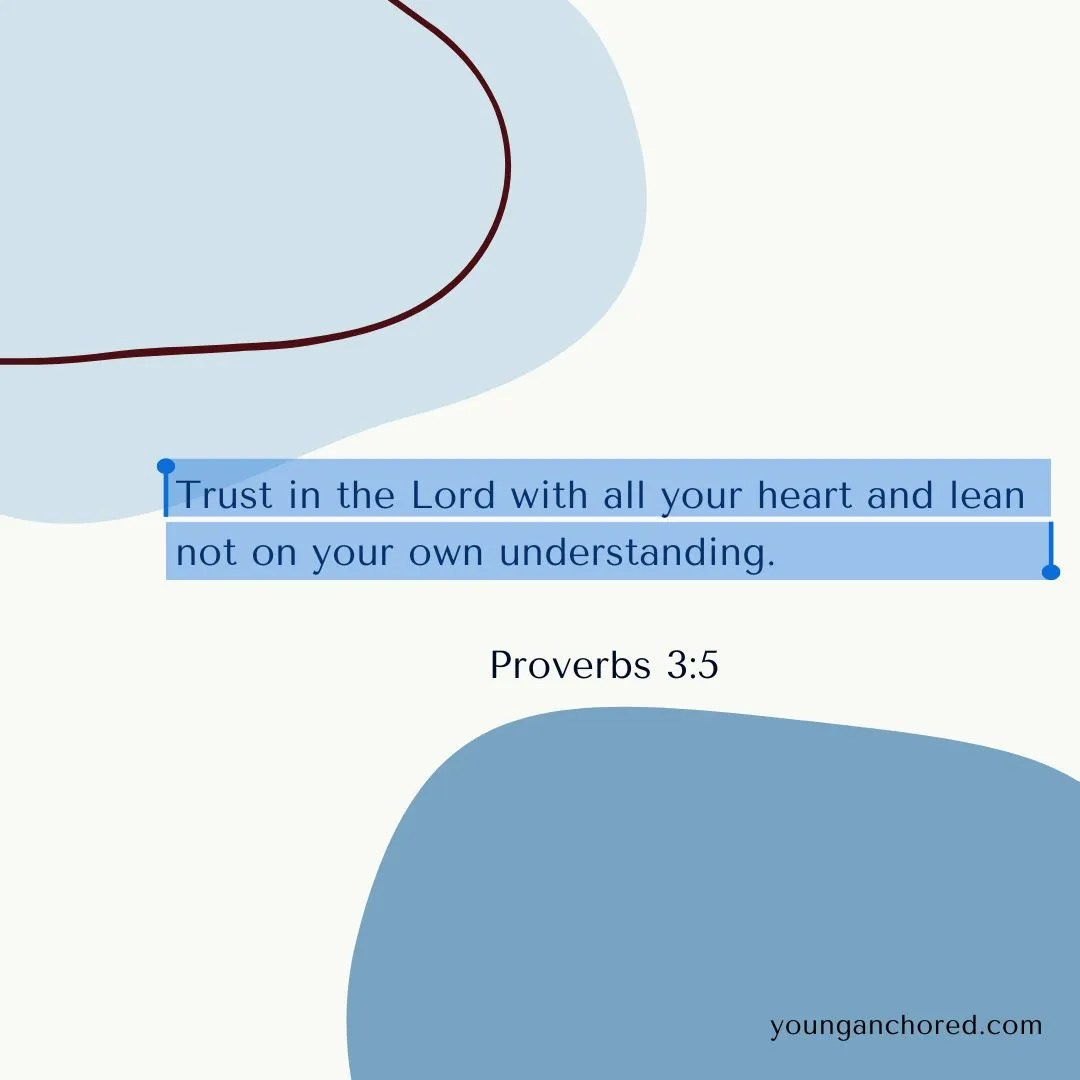
I know this verse. I’ve heard this verse. I’ve read this verse.
But when I am in situations where there is a conflict between my present reality and God’s promises. I trust in God halfheartedly and definitely lean on my own understanding. If plan A doesn’t work , I most definitely have plan D and I lose sight of God’s goodness and the why questions are louder than God’s promises.
And maybe you’ve been there or maybe you are there right now.
I don’t know where you are ,but together let’s look at the lessons of trusting God that are packed in the following story in 2 kings 7.
But first ,I’ll provide a short summary so we are on the same page.
(The story begins in 2 Kings 6:24 and continues to chapter 7).The Aramean army had blockaded the city of Samaria resulting in a famine where food prices soared to extreme heights. In the midst of the King’s despair, the Lord spoke through the prophet Elisha that food would be abundant the very next day, not only abundant, it would be cheap! A royal officer of the king scoffed the message. He believed it wouldn’t happen even if God opened the windows of heaven . Elisha’s response was that the royal officer would see the blessing with his own eyes, but would not eat an of it. And it all came to pass according to what the Lord had promised.
This is what I’ve begun to understand, we serve a faithful God. He is loyal, he is able and reliable to do what he said he would do.
The last part is in bold because many times we give God suggestions and then expect him to be faithful to our suggestions.
In this passage, What had God said he would do?
He had said the food would be cheap and abundant.(2Kings 7:1)
What did he do?
Exactly that. 2 Kings 7:16. God fulfilled the promise and the food was abundant.
The abundance came not from the ideas of the King, nor from the windows of heaven being opened as the royal officer had stated, rather God made a promise. He worked through the execution of that promise and it was fulfilled.
2 kings 7:2 : ‘The officer assisting the king said to the man of God, “That couldn’t happen even if the Lord opened the windows of heaven!” But Elisha replied, “You will see it happen with your own eyes, but you won’t be able to eat any of it!
And so it came to pass ( 2 Kings 7 verse 17-20).
The officer filters God’s promise through the limits of his own understanding. He attaches a method on how God would fulfill his promise. The method is to ‘open the windows of heaven’. He decides that method is impossible and therefore concluded God’s promise would not be fulfilled because it does not match the reality of how things are presently.
Now this is the ‘lean not on your own understanding’ part of Proverbs 3:5.
What does it mean to lean on our own understanding?
It means expecting God to act only within the limits of what appears logical and possible from our human perspective.
As to why the officer believed the Lord would fulfil his promise through opening the windows of heaven, I will never quite fathom.
God had not said that
Elisha had not mentioned it either
The cost of doubting God for this officer was his physical death. For us now, the cost of doubting God is an estranged relationship with God, being unable to fully experience the blessing of God because it is wrapped differently than what we imagined and a lack of peace because we are constantly worried.
You see friend, faith opens the window to experience God’s blessings while doubt keeps us from them.
And pal, some of us know we ought to trust God. We know the principle. Our trust in God usually fails not because he isn’t trustworthy ,but because we are trusting more in the probable ways he could fulfill the promise and not in that he has the plan.
We vocalize that we trust in the Lord ,but our minds and our hearts have conjured up safety nets. If plan A doesn’t work we have plans up to D.
And I can relate to this. This is me. Most of the times plan A and B beg to take up real estate in my brain.
We say with our mouth , ‘God will provide for me’ but in our hearts we are saying God will provide for me by giving me this job. OR trusting in God for a relationship ,but convincing ourselves it is through a particular person and in a certain way. OR we say we trust in God for a financial breakthrough ,but assume that will come via a salary increase or a promotion yet that might happen through reduced expenses, an unexpected opportunity, generosity from others. OR we say we trust God with his timing ,but in our hearts, we have already decided when he should answer.
Whatever it is friend, when we have decided to trust in God, don’t flirt with the temptation of supplying the method of how he should show up.
Isaiah 55:8 tells us,’
“My thoughts are nothing like your thoughts,” says the Lord. “And my ways are far beyond anything you could imagine. ‘
This scripture is as simple as it is
Your thoughts ≠ God’s thoughts. And your ways pale in comparison to God’s ways.
God did provide abundant food for the Samarians and it wasn’t through opening the floodgates of heaven, neither was it because the Aramean army’s minds were changed, but simply because they were not present.
2 Kings 7:16 :Then the people of Samaria rushed out and plundered the Aramean camp. So it was true that six quarts of choice flour were sold that day for one piece of silver, and twelve quarts of barley grain were sold for one piece of silver, just as the Lord had promised
The Samarians had a need. God responded to that need. When the provision came they responded to it by doing what was humanly possible which was to rush to were the food was. But they were not the source of the provision nor the plan. They simply responded.
Obedience is the noun form of the verb ‘obey’. Which means you act on a command ,word or instruction.
For some of us, God has provided that which we have trusted in him for. Now we need to obey him.
Can I speak to your heart friend?...
God has not lost sight of you.. Continue living your life. Relax. Nothing is too hard for him to do. (Genesis 18:14) .He’s got you.
That’s it pal, always remember: The principle of trusting in God stems from his love for us. Your heart is too beautiful a place to be worried. Let go of trusting in your own understanding more than fully in him. And do not flirt with the idea of placing timelines to trusting in him.
Lets pray: Dear God. You are loving. Good and kind. I know this to be true and I pray when im faced with circumstances that tempt me to doubt you Lord, may you remind me of how faithful you have been in my life and to those around me. AMEN.
Hey Pal!
Prefer listening instead? Click the audio below.
I know this verse. I’ve heard this verse. I’ve read this verse.
But when I am in situations where there is a conflict between my present reality and God’s promises. I trust in God halfheartedly and definitely lean on my own understanding. If plan A doesn’t work , I most definitely have plan D and I lose sight of God’s goodness and the why questions are louder than God’s promises.
And maybe you’ve been there or maybe you are there right now.
I don’t know where you are ,but together let’s look at the lessons of trusting God that are packed in the following story in 2 kings 7.
But first ,I’ll provide a short summary so we are on the same page.
(The story begins in 2 Kings 6:24 and continues to chapter 7).The Aramean army had blockaded the city of Samaria resulting in a famine where food prices soared to extreme heights. In the midst of the King’s despair, the Lord spoke through the prophet Elisha that food would be abundant the very next day, not only abundant, it would be cheap! A royal officer of the king scoffed the message. He believed it wouldn’t happen even if God opened the windows of heaven . Elisha’s response was that the royal officer would see the blessing with his own eyes, but would not eat an of it. And it all came to pass according to what the Lord had promised.
This is what I’ve begun to understand, we serve a faithful God. He is loyal, he is able and reliable to do what he said he would do.
The last part is in bold because many times we give God suggestions and then expect him to be faithful to our suggestions.
In this passage, What had God said he would do?
He had said the food would be cheap and abundant.(2Kings 7:1)
What did he do?
Exactly that. 2 Kings 7:16. God fulfilled the promise and the food was abundant.
The abundance came not from the ideas of the King, nor from the windows of heaven being opened as the royal officer had stated, rather God made a promise. He worked through the execution of that promise and it was fulfilled.
2 kings 7:2 : ‘The officer assisting the king said to the man of God, “That couldn’t happen even if the Lord opened the windows of heaven!” But Elisha replied, “You will see it happen with your own eyes, but you won’t be able to eat any of it!
And so it came to pass ( 2 Kings 7 verse 17-20).
The officer filters God’s promise through the limits of his own understanding. He attaches a method on how God would fulfill his promise. The method is to ‘open the windows of heaven’. He decides that method is impossible and therefore concluded God’s promise would not be fulfilled because it does not match the reality of how things are presently.
Now this is the ‘lean not on your own understanding’ part of Proverbs 3:5.
What does it mean to lean on our own understanding?
It means expecting God to act only within the limits of what appears logical and possible from our human perspective.
As to why the officer believed the Lord would fulfil his promise through opening the windows of heaven, I will never quite fathom.
God had not said that
Elisha had not mentioned it either
The cost of doubting God for this officer was his physical death. For us now, the cost of doubting God is an estranged relationship with God, being unable to fully experience the blessing of God because it is wrapped differently than what we imagined and a lack of peace because we are constantly worried.
You see friend, faith opens the window to experience God’s blessings while doubt keeps us from them.
And pal, some of us know we ought to trust God. We know the principle. Our trust in God usually fails not because he isn’t trustworthy ,but because we are trusting more in the probable ways he could fulfill the promise and not in that he has the plan.
We vocalize that we trust in the Lord ,but our minds and our hearts have conjured up safety nets. If plan A doesn’t work we have plans up to D.
And I can relate to this. This is me. Most of the times plan A and B beg to take up real estate in my brain.
We say with our mouth , ‘God will provide for me’ but in our hearts we are saying God will provide for me by giving me this job. OR trusting in God for a relationship ,but convincing ourselves it is through a particular person and in a certain way. OR we say we trust in God for a financial breakthrough ,but assume that will come via a salary increase or a promotion yet that might happen through reduced expenses, an unexpected opportunity, generosity from others. OR we say we trust God with his timing ,but in our hearts, we have already decided when he should answer.
Whatever it is friend, when we have decided to trust in God, don’t flirt with the temptation of supplying the method of how he should show up.
Isaiah 55:8 tells us,’
“My thoughts are nothing like your thoughts,” says the Lord. “And my ways are far beyond anything you could imagine. ‘
This scripture is as simple as it is
Your thoughts ≠ God’s thoughts. And your ways pale in comparison to God’s ways.
God did provide abundant food for the Samarians and it wasn’t through opening the floodgates of heaven, neither was it because the Aramean army’s minds were changed, but simply because they were not present.
2 Kings 7:16 :Then the people of Samaria rushed out and plundered the Aramean camp. So it was true that six quarts of choice flour were sold that day for one piece of silver, and twelve quarts of barley grain were sold for one piece of silver, just as the Lord had promised
The Samarians had a need. God responded to that need. When the provision came they responded to it by doing what was humanly possible which was to rush to were the food was. But they were not the source of the provision nor the plan. They simply responded.
Obedience is the noun form of the verb ‘obey’. Which means you act on a command ,word or instruction.
For some of us, God has provided that which we have trusted in him for. Now we need to obey him.
Can I speak to your heart friend?…
God has not lost sight of you.. Continue living your life. Relax. Nothing is too hard for him to do. (Genesis 18:14) .He’s got you.
That’s it pal, always remember: The principle of trusting in God stems from his love for us. Your heart is too beautiful a place to be worried. Let go of trusting in your own understanding more than fully in him. And do not flirt with the idea of placing timelines to trusting in him.
Lets pray: Dear God. You are loving. Good and kind. I know this to be true and I pray when im faced with circumstances that tempt me to doubt you Lord, may you remind me of how faithful you have been in my life and to those around me. AMEN.
Leave a Reply